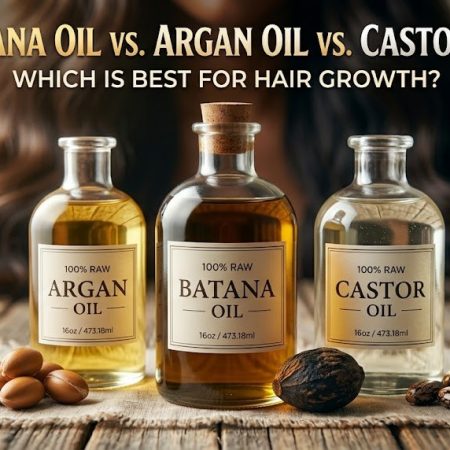
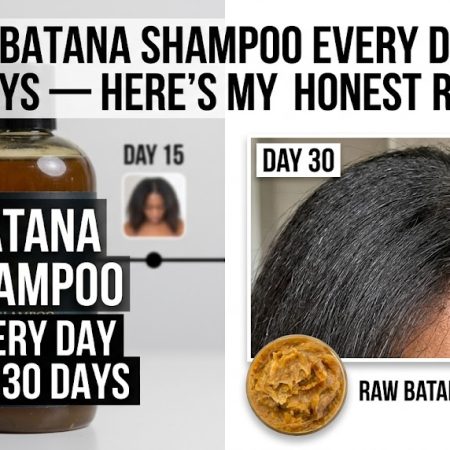
If you’ve been scrolling through social media lately, you’ve probably seen it — before-and-after photos, thick glossy hair, and bold claims that batana oil can reverse hair loss and trigger dramatic regrowth. Some of it looks genuinely impressive. But is batana oil the real deal, or is this another overhyped wellness trend?
As someone who runs a site dedicated to batana oil products, I want to give you an honest answer — not a sales pitch. So let’s actually dig into what science says, what we know for certain, and where the evidence still has gaps.
First, What Even Is Batana Oil?
Before we talk science, it helps to understand what this oil actually is and where it comes from.
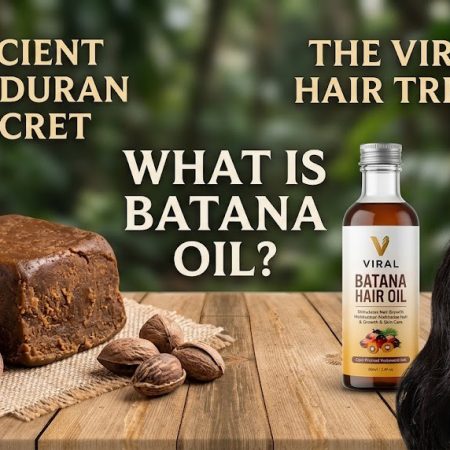
Batana oil is extracted from the nuts of the American oil palm tree (Elaeis oleifera), which grows in the tropical rainforests of Honduras and nearby regions of Central America. For centuries, the Indigenous Miskito people of La Moskitia — a remote stretch of Honduras’ Caribbean coast — have used batana oil as a cornerstone of their daily beauty and wellness rituals.
In fact, the Miskito are sometimes called “the people of beautiful hair” (Tawira). Their long, thick, lustrous hair has long been attributed to consistent use of this traditional oil. Women in these communities apply batana oil to their scalps as a routine treatment, passing the practice down from mother to daughter through generations.
The traditional extraction process is remarkably hands-on: nuts are harvested, slow-roasted over open fire, cracked by hand, ground into a thick paste, simmered in water, and then carefully skimmed. The result is a rich, dark amber oil with a distinctive earthy, nutty aroma. You’ll also hear it called ojon oil, especially in older beauty circles.
This isn’t a lab-synthesized ingredient. It’s a centuries-old practice backed by living tradition — and that matters when we start evaluating the evidence.
The Honest Science: What We Know (and What We Don’t)
Here’s where I’ll be straight with you. If you want a simple yes-or-no answer — “Is batana oil clinically proven to grow hair?” — the honest answer right now is: not yet, in the way pharmaceutical treatments are proven.
There are currently no large-scale, randomized clinical trials that have tested batana oil directly for hair growth in humans. Major health sources including WebMD and Healthline acknowledge this gap in research. We don’t yet have the peer-reviewed, double-blind studies that would allow us to make definitive medical claims.
But that’s not the full story. Here’s where it gets interesting.
What the Research on Batana Oil’s Components Actually Shows
Just because batana oil hasn’t been studied as a whole ingredient doesn’t mean its components haven’t been. In fact, the individual fatty acids and antioxidants packed inside this oil have attracted solid scientific attention — and the findings are genuinely promising.
1. Linoleic Acid — The Follicle Activator
Batana oil is naturally rich in linoleic acid, an essential omega-6 fatty acid. Korean researchers found that at a concentration of 30 µg/mL, linoleic acid increased the proliferation of dermal papilla cells — the control center of your hair follicle — by over 21%. Dermal papilla cells essentially run your hair’s entire growth cycle.
The same research showed linoleic acid activates the Wnt/β-catenin signaling pathway, which is crucial for follicular regeneration, and it also stimulates the production of growth factors including VEGF, IGF-1, KGF, and HGF. In laboratory settings, linoleic acid clearly accelerates hair growth at a cellular level.
Additionally, a review published in the International Journal of Molecular Sciences found that linoleic acid promotes hair growth by helping follicles progress through the active growth phase (anagen). There’s also evidence that linoleic acid may inhibit 5-alpha reductase — the enzyme responsible for converting testosterone into DHT, the hormone most associated with male and female pattern hair loss. Board-certified dermatologist Dr. Megan Couvillion, MD, FAAD, noted that “there could be a theoretical improvement from batana oil if the type of hair loss is female or male pattern hair loss” for this exact reason.
2. Oleic Acid — The Phase Accelerator
Oleic acid is the dominant fatty acid in batana oil. When applied topically in animal studies, oleic acid accelerated the onset of the anagen (active growth) phase by 3 to 4 days compared to control groups. The mechanism is metabolic — oleic acid essentially provides follicular stem cells with the fuel they need to restart a growth cycle. It also improves transdermal absorption, meaning other nutrients in batana oil can penetrate more effectively into the scalp.
Research published in the Journal of Cosmetic Dermatology confirmed that oleic and linoleic acids together increase transdermal absorption, helping batana oil’s nutrients reach deeper into the scalp where follicles live.
3. Tocotrienols (Vitamin E) — The Antioxidant Shield
This is one of the most exciting pieces of evidence. Batana oil is rich in tocotrienols, a powerful form of Vitamin E found abundantly in palm oils. A randomized, double-blind, placebo-controlled trial published in Tropical Life Sciences Research tested daily tocotrienol supplementation on 38 volunteers experiencing hair loss over 8 months. The result? A 34.5% increase in hair count compared to placebo.
Now, there’s an important caveat here: that study tested oral tocotrienols (supplements), not topical oil application. Whether the same effect translates when batana oil is applied directly to the scalp depends on how well tocotrienols penetrate the skin — and that’s still being studied. But the underlying mechanism is real: tocotrienols neutralize free radicals that cause oxidative stress, which is known to push hair follicles prematurely into the resting (catagen) phase. Protecting follicles from this oxidative damage may help them stay in their active growth phase longer.
4. Beta-Carotene — The Scalp Protector
Batana oil gets its distinctive golden-amber color from its high carotenoid content, primarily beta-carotene (52–60%) and alpha-carotene (33–36%). A 2024 review in Biomedicine & Pharmacotherapy showed that oxidative stress blocks the Wnt/β-catenin pathway and accelerates premature entry of follicles into the catagen phase. Carotenoids, acting as antioxidants, help protect follicular cells from this kind of damage — supporting a healthier scalp environment for growth.
What Batana Oil Reliably Does (Backed by Evidence)
Even setting aside the hair growth debate, there are things batana oil clearly does well — and these matter for overall hair health:
Deep Conditioning and Moisture Retention The oleic and linoleic acids in batana oil penetrate deep into the hair cortex (not just coat the surface), restoring moisture from within. This reduces brittleness, minimizes split ends, and leaves hair noticeably softer and shinier.
Reducing Breakage Hair that breaks before it can grow is a major reason people struggle with length retention. By strengthening the hair shaft and reducing breakage, batana oil effectively helps hair appear to grow faster — because you’re retaining more of the growth that’s already happening.
Scalp Health Batana oil has anti-inflammatory properties that soothe scalp irritation and reduce dandruff. Its antimicrobial and antifungal properties may help combat Malassezia, a fungus associated with flaking. A healthy scalp is the foundation for healthy hair growth — you can’t build a house on a crumbling foundation.
Scalp Massage Benefits Most people apply batana oil with a scalp massage. Research consistently shows that massaging the scalp increases blood circulation to hair follicles, delivering more oxygen and nutrients — independently supporting the conditions for healthier growth.
What Batana Oil Cannot Do
I believe in giving you the full picture, so let’s be honest about the limits too.
Batana oil cannot regrow hair in follicles that have fully closed or become dormant due to advanced androgenetic alopecia (genetic baldness). If the follicle is gone, no topical oil — batana or otherwise — can bring it back. Claims on social media that batana oil “reverses balding” are not supported by evidence.
There’s also no evidence that batana oil can reverse gray hair, despite what some viral posts suggest.
If you’re experiencing significant hair loss, especially if it’s sudden, patchy, or accelerating, you should consult a dermatologist. Batana oil is not a medical treatment.
How Does Batana Oil Compare to Other Oils?
Oil
Clinical Evidence
Key Benefit
Rosemary Oil
Strong (comparable to minoxidil for androgenetic alopecia)
DHT inhibition, circulation
Pumpkin Seed Oil
Moderate (randomized trial in men)
5-alpha reductase inhibition
Batana Oil
Promising components; no direct trials yet
Conditioning, scalp nourishment
Coconut Oil
Good for protein loss prevention
Moisturizing, reduces breakage
Castor Oil
Mostly anecdotal
Thickening appearance
Rosemary oil is currently the best-studied natural option for hair loss specifically. Batana oil sits in a different but complementary category — it’s an exceptional conditioning and scalp-nourishing oil, with component-level evidence suggesting real potential for growth support that deserves more direct clinical research.
Who Is Likely to Benefit Most from Batana Oil?
Based on the evidence we have, batana oil is most likely to help:
People with dry, damaged, or brittle hair that breaks easily
Those with a dry or inflamed scalp (dandruff, irritation, flakiness)
Anyone experiencing hair thinning in early stages where follicles are still active
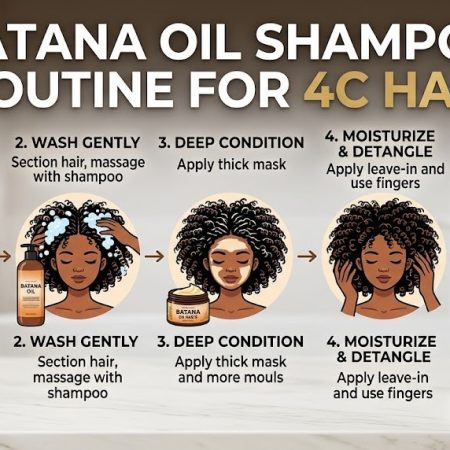
People with textured or curly hair who need intensive moisture and frizz control
Those looking to support an existing hair care routine with scalp nourishment
It’s less likely to produce dramatic results for advanced genetic baldness or conditions like alopecia areata, where the immune system attacks follicles.
How to Use Batana Oil for Best Results
If you want to give batana oil a fair trial, here’s how to use it effectively:
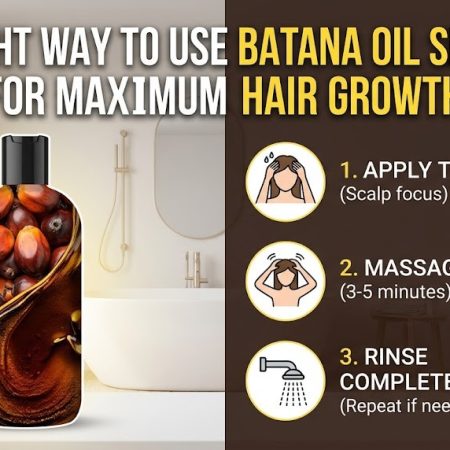
Scalp Treatment (2–3 times per week) Warm a small amount of batana oil between your palms (it softens at body temperature) and massage it into your scalp using circular motions for 5–10 minutes. Leave it on for at least 30 minutes, or overnight with a shower cap for deeper conditioning. Shampoo out thoroughly.
Hair Mask (Weekly) Apply batana oil from mid-length to ends on damp hair. Wrap in a warm towel for 20–30 minutes, then shampoo and condition as usual.
Patch Test First If you have known sensitivity to palm oil or nut-based products, do a patch test on your inner arm 24 hours before scalp application.
Consistency Matters Most users report seeing improvements in hair texture within 4–6 weeks of consistent use. For any potential growth benefits, give it at least 3 months.
The Bottom Line: Should You Try Batana Oil?
Here’s my honest take:
Batana oil is not a miracle cure for hair loss — and anyone telling you otherwise is overselling it. But it’s also far from “just hype.” The individual compounds inside batana oil have real, published science behind them. The centuries of traditional use by the Miskito people of Honduras isn’t anecdote to be dismissed — it’s a 500-year human experiment with consistently reported results.
What batana oil appears to do reliably is create a healthier scalp environment, condition hair deeply, reduce breakage, and potentially support the biological conditions under which hair follicles function better. That’s meaningful — even if it’s not the same as regrowing a fully bald scalp.
If you’re looking for a natural, nutrient-rich oil to work into your hair care routine — especially for conditioning, scalp health, and thickness — batana oil is one of the better options available. If you’re dealing with significant hair loss, pair it with rosemary oil (which has stronger clinical backing) and consult a dermatologist for treatments like minoxidil or finasteride that have the evidence base for medical hair loss treatment.
The science on batana oil is still catching up to its reputation. But the ingredients are right, the tradition is real, and the early evidence is genuinely encouraging.